The adoption and use of ebooks in U.S. school libraries has grown steadily over the past four years, slowed mainly by limited access to ereading devices and cost, says a new ebooks report by School Library Journal, sponsored by Follett.
On Libraries and New Media, powered by Library Journal and School Library Journal
The adoption and use of ebooks in U.S. school libraries has grown steadily over the past four years, slowed mainly by limited access to ereading devices and cost, says a new ebooks report by School Library Journal, sponsored by Follett.
Follett has partnered with Simon & Schuster to make more than 450 PreK–12 titles in ebook format available on Titlewave, Follett’s collection development, search, and ordering tool. The partnership brings the total number of Follett’s offerings through Titlewave to more than 250,000 ebooks.

It’s the “holy grail of ebook features for education,” writes Chris Harris, of Whispersync for voice. But we need clarity on Amazon’s terms of service before schools can reasonably commit to the Kindle ereader.
Lerner Digital has launched its Lerner Digital eReader App for Android devices, featuring more than 3,000 available K–12 ebook titles across many interest areas and genres. The app, which is available free in the Google Play Store, is the Android equivalent of the app that the publisher debuted for the iPad in October 2011.
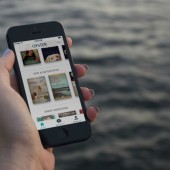
How good is Oyster, the new ebook subscription service? Linda W. Braun puts the application through its paces in a screencast series showing how to get started with Oyster, how to search titles, and what it all means for libraries.
For this close-up report on going digital, SLJ talked to academic experts, librarians, teachers, and students at two Illinois high schools. Big questions: What are the best ebook providers? How many student iPads get damaged? Do students read more in ebook or print? And more.
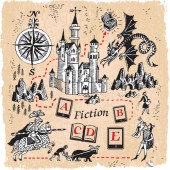
Discovery of ebooks in K-12, particularly worthwhile fiction, has been tough going. A new site, Here Be Fiction, will attempt to remedy that, enabling users to identify quality ebooks accessible to schools on library-friendly licensing terms. Featuring ebook previews and reviews, HereBeFiction.org will enable librarians and others to discover fiction from a wide variety of publishers made available for both individual and multi-user access.
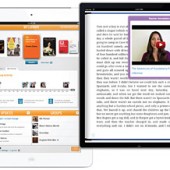
The ability for teachers and students to embed their own content into digital texts, write notes, and get feedback on student reading—classroom reading just got a lot more dynamic. SLJ columnist Jeff Hastings test driives Gobstopper and Subtext.
Simon & Schuster, the last remaining holdout among the Big Six publishers when it comes to library ebook lending, announced today it was launching a program with New York City libraries. The text of the press release follows and this story will update as more information becomes available: Simon & Schuster, together with The New […]

Bookshare has announced that it is launching two new additions to its product line as part of its continuing effort to help kids with print disabilities connect with books. Bookshare Web Reader allows readers to directly open books with a browser without requiring them to download the book or utilize separate software, while Bookshelf allows readers (or their teachers) to organize selections by any system they choose.