These picks aren’t so much about products, things you should run out and buy, but rather the overarching concepts that’ll potentially shape and be shaped by our collective imagination.
On Libraries and New Media, powered by Library Journal and School Library Journal
These picks aren’t so much about products, things you should run out and buy, but rather the overarching concepts that’ll potentially shape and be shaped by our collective imagination.
The Institute of Museum and Library Services (IMLS), in conjunction with the International City/County Management Association and the Seattle-based University of Washington Information School’s Technology & Social Change Group, earlier this month announced its draft framework proposal on building “digitally inclusive communities.” The organizations are seeking public input on the proposal via an online survey through this Wednesday, November 30.
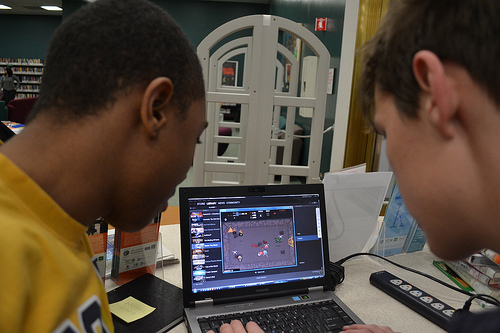
Libraries played large among the winners of a $1.2 million collective grant to build learning labs across the country.
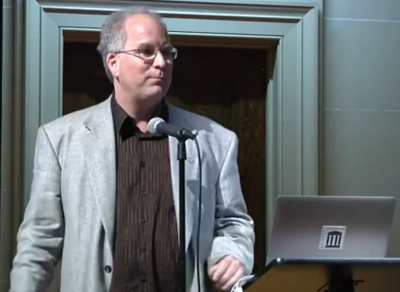
All 50 state librarians have decided to throw their weight behind the Internet Archive’s Open Library lending program. The Chief Officers of State Library Agencies (COSLA) voted unanimously during a meeting held October 24-26 in Santa Fe, NM, to enter into a memorandum of understanding with the Internet Archive (IA) that will essentially make the state librarian in each state a point person for the Open Library’s lending program.
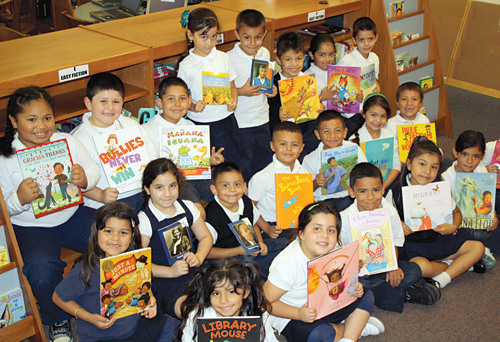
A paltry materials budget got you down? Keisa Williams knows the feeling well. So the school librarian at the K–5 Monarch Academy in Oakland, CA, turned to DonorsChoose.org with her cause. And the good people of the Web responded.
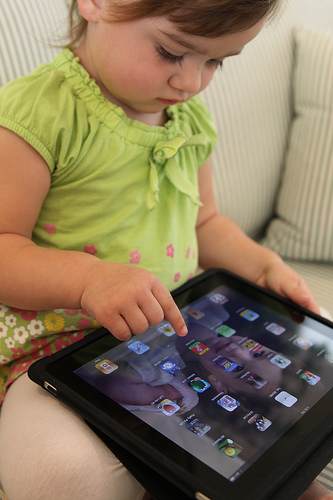
Forming a new Digital Teacher Corps and expanding broadband to publicly funded preschool programs are two recommendations from a new report released today by the Digital Age Teacher Preparation Council.
The Washington State Board for Community and Technical Colleges has launched The Open Course Library, an online repository of ready-to-use digital course modules—including textbooks and syllabi—for 42 of the state’s highest enrolled courses. All program materials are freely shared with a Creative Commons license, and can be adapted and distributed.
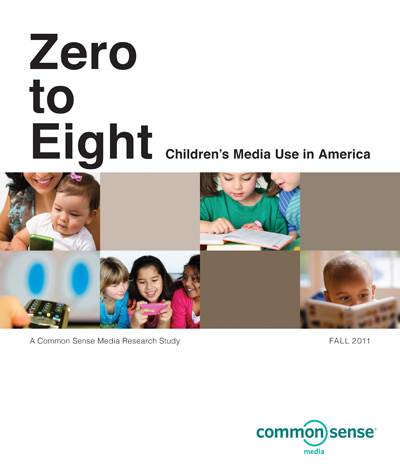
More evidence of children’s expanding use of digital media may not come as a surprise. But a study released today by Common Sense Media also reveals a persistent digital divide, in particular, inequities surrounding access to newer mobile devices.
A key element in libraries’ growing role in workforce development has been the expansion of broadband capacity through the Broadband Technology Opportunities Program (BTOP).
Hundreds of Wisconsin school and public libraries narrowly avoided paying more for Internet service when state lawmakers reached a budget agreement last week to save WiscNet, a nonprofit cooperative that provides low-cost broadband service.